BY DAN SHEED
This weekend is Communities Sunday at Central Vineyard — a Sunday where we deliberately step out of the usual rhythms of gathering in the hall and instead scatter across Tāmaki Makaurau into homes, flats, parks, back decks, around kitchen islands, or at cafés.
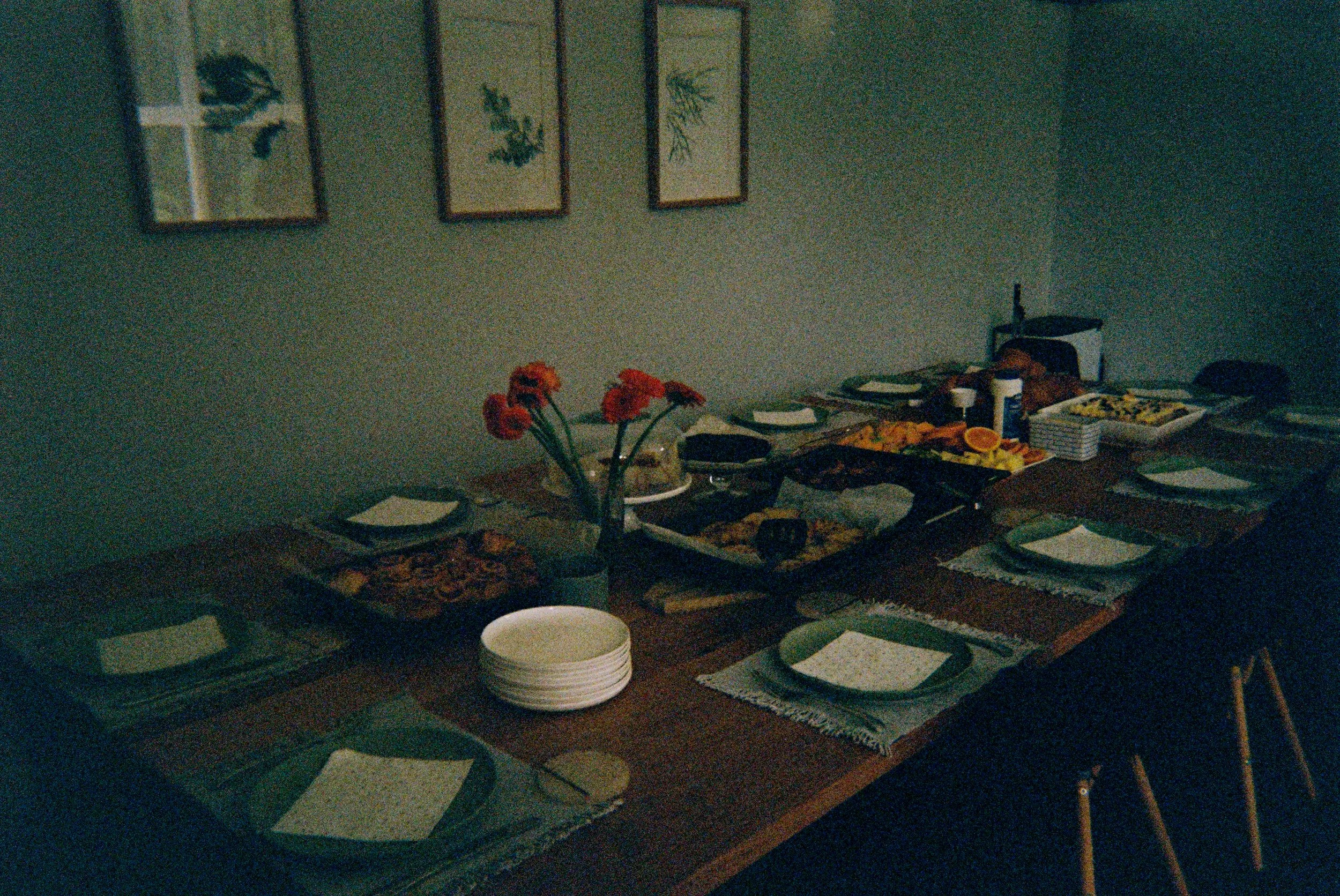
It’s the Sunday where church looks wonderfully ordinary — people brewing coffee into mismatched mugs, kids pulling out every toy in the house, someone grabbing pastries from Daily Bread, neighbours coming over, and stories being shared over kai. It’s the reminder that the Church isn’t held together by a building but by a people learning to share life with one another.
As I think about this weekend, I keep coming back to Eugene Peterson’s paraphrase of Romans 12. Amongst Paul’s manifesto of living the new life alive in the Kingdom, he says:
“Be inventive in your hospitality.”
— Romans 12:13 The Message
Inventive — a call to creativity
Eugene Peterson could’ve just said “practice hospitality,” but instead he goes with "be inventive" — a phrase that invites us to loosen up a bit. It calls us to imagine, to play, to get creative with the way we make room for others.
Being inventive means looking at the ordinary ingredients you already have — a couch, a table, a deck with a BBQ, a walk to the best tree in the park, a loaf of bread from the local bakery, heading to the beach at Mission Bay — and asking:
What could making space look like here?
What small, ordinary thing could become a doorway for someone else to feel seen?
When the default setting of urban life is busyness and quiet isolation behind fences and hedges, inventiveness becomes a Kingdom act. It’s choosing to notice possibilities instead of limitations. It’s the Spirit nudging us to be imaginative with our openness.
Hospitality — making space for others
In the Scriptures, hospitality isn’t showy or polished. It’s not about impressing anyone with a spotless house or a perfect meal. It’s the decidedly unflashy practice of making space. Henri Nouwen writes in Reaching Out:
Hospitality means primarily the creation of a free space where the stranger can enter and become a friend instead of an enemy.
So this weekend, you can create this free space.
Space around a table.
Space in your weekend.
Space for the unexpected conversation on the front step.
Space for someone who’s had a tough week and needs to sit with people who won’t fix them but will be with them.
Hospitality says:
“You’re welcome here — as you are.”
And when Paul ties inventiveness and hospitality together, he’s asking the Church to imagine fresh ways of doing this — to make room for others in ways that reflect the generous, spacious heart of Jesus.
A vision of home as Kingdom space
Picture this across Tāmaki Makaurau: Flats in Sandringham with doors open and the smell of garlic frying as people arrive. Decks in Hillcrest with plastic chairs dragged out from the shed, catching the late afternoon sun. A picnic rug spread at Western Springs, with thermoses of tea and toddlers sharing blueberries. A rented lounge in Mount Eden where the couch sags a bit but there’s always room for one more. A walk up Maungawhau with a friend because that’s all the energy you have, but it’s still hospitality — making space in your life, not just your home.
This is the quiet beauty of Communities Sunday: for one day our city becomes peppered with dozens of little pockets of Kingdom hospitality — unscripted, honest, creative, ordinary. And if you look closely, you realise that God often does His best work in these very ordinary places.
So this weekend, don’t strive for tidy or impressive.
Aim for open.
Aim for inviting.
Aim for present.
Be inventive with what you have. Make space for who God brings.
Because whenever we do, the Kingdom sneaks in — around kitchen tables, on mismatched chairs, between mouthfuls of kai — and our homes become holy ground where love quietly takes root.